
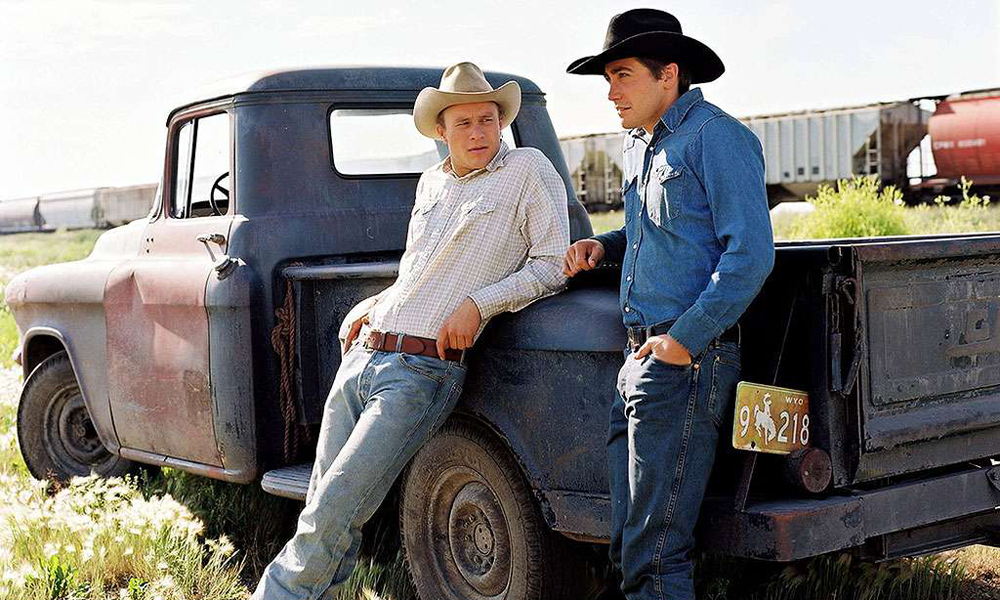
Brokeback Mountain premiered in 2005 during a very different era for gay rights, but its legacy lives on through its indelible characters…
By Matthew Creith
This year marks 20 years since Brokeback Mountain arrived in theatres and challenged what mainstream cinema could show and feel about love between members of the same sex. Director Ang Lee’s heart-wrenching adaptation of Annie Proulx’s short story did what few studio-backed pictures had done by the mid-2000s: it put a tender, messy and uncompromising queer love story at the centre of a major motion picture.
Set in 1960s Wyoming, Brokeback Mountain features cowboys Ennis Del Mar (Heath Ledger) and Jack Twist (Jake Gyllenhaal) as they navigate an attraction for one another while herding sheep one summer. Their attraction grows into sexual encounters during a homophobic time in the United States, leading both of the men to marry women (Michelle Williams and Anne Hathaway) to keep up appearances. But distance makes the heart grow fonder, and Ennis and Jack’s love for each other cannot be contained.
Brokeback Mountain is the quintessential example of cinema’s attempt to bring queer love stories to the mainstream, to great success. The film grossed close to $180 million worldwide, went on to see Ang Lee crowned with the Best Director Oscar, and made bona fide movie stars out of its talented cast. However, the film’s legacy truly endures through its cultural significance, as it highlights the trajectory of the progress the LGBTQ+ community has made since its release.
Part of the movie’s power lies in its expansive landscape, as the mountain itself becomes a memory and a safe space for Ennis and Jack. Brokeback Mountain was filmed almost entirely in Alberta, although it is set in Wyoming. The film showcases some familiar landmarks such as the Kananaskis Range near Canmore, campsite scenes filmed at Goat Creek, Upper Kananaskis Lake, Elbow Falls and Canyon Creek, and some sequences filmed around Cowley, Fort Macleod and Calgary.
The Canadian geography, with its rocky ridgelines and prairie towns, helped make the film feel both specific and fantastical.
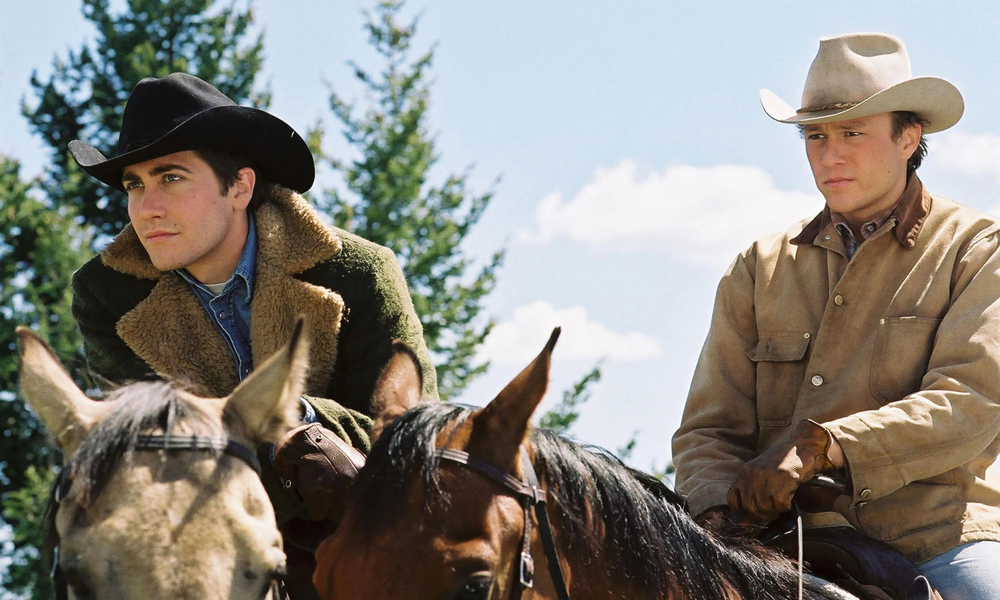
Two decades on, Brokeback Mountain might be best remembered for its risk-taking abilities and emotional honesty, which are often seen as a tipping point for major Hollywood studios to shift gears towards more expansive queer representation. In the years following the film’s release, a noticeable increase in movies and television series featuring complex LGBTQ+ relationships has emerged. Plot lines in subsequent projects, such as Moonlight; Red, White & Royal Blue; Fire Island and this year’s Pillion, are less queer-coded and more upfront in terms of sexuality than the mainstream had previously allowed.
The world that Brokeback Mountain entered in 2005 looked very different from the one 2SLGBTQI+ people live in today. In Canada, 2005 was a pivotal year, as the federal Civil Marriage Act made same-sex marriage legal nationwide. Since then, Canada has continued to secure protections for queer folks, including the 2017 addition of “gender identity or expression” to the Canadian Human Rights Act.
Canada is viewed by many countries as a global leader in protecting the rights of its 2SLGBTQI+ citizens, even as pushback exists at the local level and in other countries. The United States made same-sex marriage legal in 2015 with a landmark Supreme Court case, Obergefell v Hodges. But since then, there has been a fierce political backlash in many states, targeting trans youth with bans in sports and limiting what teachers can discuss in classrooms regarding 2SLGBTQI+ history. The legal landscape today is a mixture of federal protections and state-level contestation, creating legal hurdles and a sense of despair amongst queer couples.
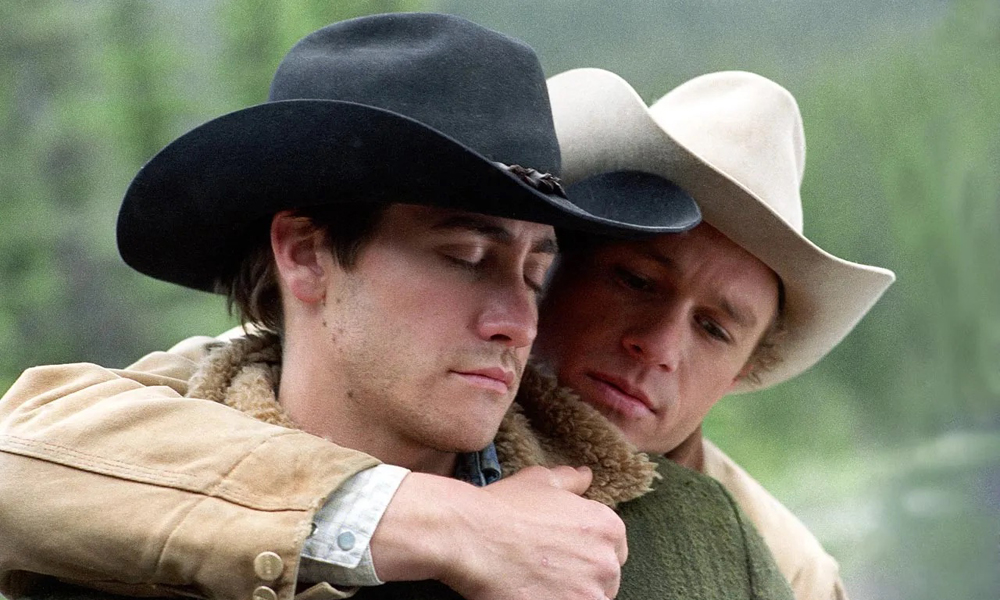
So why does Brokeback Mountain still matter today? The movie’s continued relevance lies in the fact that we receive reminders of how closeted gay people used to live. We witness the stakes of lives lived partly in secrecy, while love and sexuality are stigmatized. The human costs are massive as public debate about pronouns, identity and 2SLGBTQI+ rights grows louder and more polarized in our current environment.
The film’s assertion to lean towards empathy feels more necessary now than ever.
Twenty years after its release, Brokeback Mountain can be viewed through an intersection of art and gay rights activism. The film serves as a poignant reminder that queer representation matters in mainstream studio projects, and that progress is fragile without consistent and vigilant public support. Brokeback Mountain does not answer all the questions it raises, but it insists on presenting a love story through the viewpoint of two male characters who are unwilling to let themselves be who they are because of societal pressure and the dangers of criminality.
One can only hope that we don’t return to that path again.
MATTHEW CREITH is a freelance journalist based in Austin, Texas. He is a member of GALECA: The Society of LGBTQ Entertainment Critics, and participates in the association’s Dorian Awards. You may also know him for his work on Matinee With Matt, Screen Rant and Giant Freakin Robot. You can find him on X: @matthew_creith, or Instagram: matineewithmatt.
POST A COMMENT