
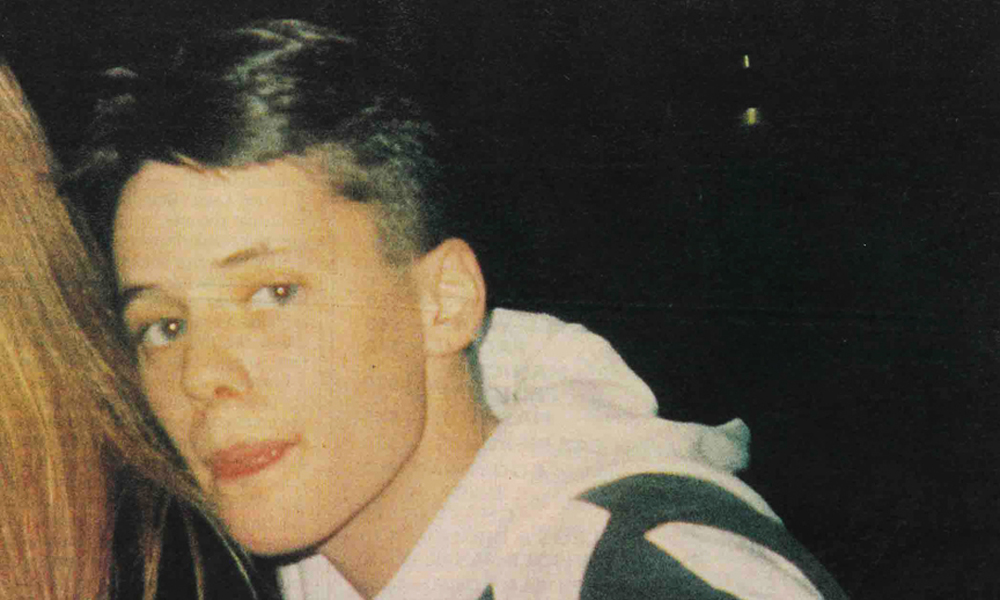
December 31, 1993 In LGBT History: Brandon Teena is raped and murdered by members of his circle of friends when they discover his female genitals…
Teena Renae Brandon was born female in the heartland city of Lincoln, Nebraska, on December 12, 1972. By his late teens, he had moved to the Falls City region of Richardson County, Nebraska, and started to identify and live as a man, going by the name Brandon Teena.
In 1993, after learning of his biological sex, John Lotter and Tom Nissen forced Teena to leave a Christmas party and drove him to a remote area in Humboldt, where they brutally gang-raped him.
A week later, on December 31, 1993, Lotter and Nissen shot and killed Teena at point-blank range and then stabbed him, after learning that he had reported the incident to the police. The duo also murdered the other two adults in the household, Lisa Lambert and Phillip DeVine, all in front of Lambert’s eight-month-old son.
Nissen and Lotter were arrested and charged the same day. Both were found guilty of murder. Nissen received life in prison in exchange for his testimony against Lotter, and Lotter received the death penalty. (In 2015, Nebraska abolished the death penalty, thus giving Lotter a life sentence.)
The story is the subject of the Academy Award-winning 1999 film Boys Don’t Cry (starring Hilary Swank), and has brought wide attention to hate crimes against the trans community.



POST A COMMENT